Table of Contents
- Starting to plan your dream trip
- Choosing when to go
- Building the right itinerary
- Budget and money
- Choosing accommodation
- Final practical tips
- Plan your trip with Esplora il Marocco
Starting to plan your dream trip
Planning a trip to Morocco can seem complicated at first, but with the right guidance it becomes simple and exciting, almost part of the journey itself. At Esplora il Marocco we help a great many travellers every year, and in this complete guide we share everything you need to know to plan an unforgettable Moroccan adventure, step by step.
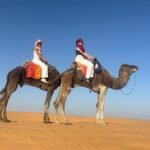
From choosing when to go and building your itinerary to your budget, accommodation and practical tips, every decision contributes to a successful trip. Taking them one at a time makes planning simple and even fun. Morocco is an accessible and rewarding destination, and with a little preparation, or the help of an experienced operator, everything runs smoothly. Our 3-day desert tour from Ouarzazate is an example of a trip organised from start to finish.
Choosing when to go
The first step is deciding when to travel, because the season affects everything else. Spring and autumn are generally the best times, with pleasant, stable weather for enjoying cities, mountains and desert. Winter offers mild days, snow on the mountains and fewer crowds, while summer is hot inland but perfect for the Atlantic coast.
The season affects what you can do and how you experience it, so it is worth thinking about in terms of your interests. If you want a complete, varied trip, go for spring or autumn; if you are after snow or the sea, consider winter or summer. See our guide to the best time to visit Morocco.
Building the right itinerary
The heart of planning is the itinerary, the thread that ties all the stops together. The length of your trip determines how much you can see: three or four days give you a taste with a night in the desert, a week lets you combine cities and the Sahara, and ten days or more allow a complete exploration including both imperial cities.
It is essential to be realistic about distances, which are long in Morocco, and not to overload your schedule: a few stops enjoyed calmly beat a constant rush. A well-paced itinerary leaves room for spontaneous moments, and building it with an experienced operator guarantees a logical, enjoyable route. Our tours from Marrakech are a good starting point.
Budget and money
Setting a budget is an important step, because it guides many later decisions. Morocco offers excellent value for money: daily expenses such as food and markets are low, while the main costs are accommodation, private transport and the desert experience. It pays to invest where it matters, such as a night in the desert or a good guide.
On the practical side, the local currency is the dirham, which you get from ATMs on arrival, as in practice it cannot be bought outside the country. Morocco still runs largely on cash in souks, taxis and rural areas, while cards are accepted mainly in city hotels and restaurants. In the souks and villages cash is essential, and telling your bank about your trip avoids having your card blocked.
Choosing accommodation
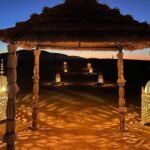
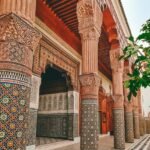
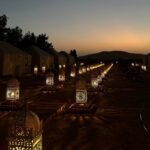
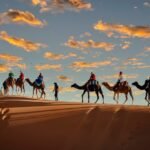
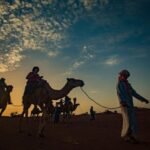
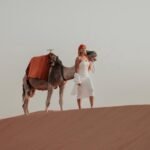
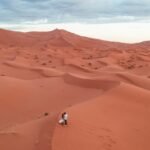
Accommodation sets the tone of your trip, and Morocco excels here with a rich, charming choice. Traditional riads in the medinas, courtyard houses full of character, offer an authentic immersion in the country’s culture and hospitality. In the desert, camps ranging from simple to luxurious give you a magical night under a starry sky.
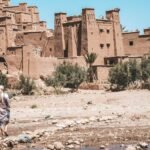
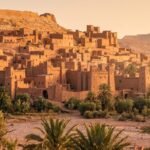
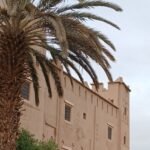
Along the southern routes, restored kasbahs become atmospheric hotels, while in the mountains Berber guesthouses offer genuine warmth. The best strategy is to mix styles depending on the stop, making the accommodation part of the adventure. A good operator selects and books the best places of every kind.
Final practical tips
A few practical details complete your planning. Check your documents: citizens of the UK, the US, Canada, Australia and the EU need a valid passport and do not need a visa for tourist stays of up to 90 days; other nationalities should check the requirements before leaving. Pack in layers, because the climate varies a lot between cities, mountains and desert, and desert nights are cold even in summer.
Respecting local culture, with modest clothing and simple courtesies, opens the door to authentic encounters. Carrying cash, staying hydrated and using safe transport for long distances make everything smoother. With these details sorted, or with an operator handling the logistics, your trip will run without worries.
Plan your trip with Esplora il Marocco
Planning a trip to Morocco means choosing the right time (spring and autumn are ideal), building a realistic itinerary for the days you have, setting a budget knowing the country offers great value, choosing authentic accommodation such as riads and desert camps, and taking care of practical details such as documents, layered clothing and cash.
The Esplora il Marocco team takes care of every aspect of the planning, from choosing the best time to the itinerary, accommodation and all the logistics, so you can enjoy a worry-free trip. To plan your Moroccan adventure, contact us using the button below.
Frequently Asked Questions
How do you plan a trip to Morocco?
The main steps are choosing the season (spring and autumn are ideal), building a realistic itinerary for your number of days without overloading it, setting a budget, choosing authentic accommodation such as riads and desert camps, and sorting out practical details: documents, layered clothing and cash. An experienced operator makes it all simple by handling the logistics.
What documents do you need to visit Morocco?
You need a passport that is valid for the length of your stay (at least six months’ validity is recommended). Citizens of the UK, the US, Canada, Australia, New Zealand and the EU do not need a visa for tourist stays of up to 90 days. Always check the latest requirements before you travel.
Do I need a visa for Morocco?
If you are a citizen of the UK, the US, Canada, Australia, New Zealand, the EU or many other countries, you do not need a visa for tourist stays of up to 90 days: a valid passport is enough. Other nationalities should check with the Moroccan consulate before travelling.
How does money work in Morocco?
The local currency is the dirham, which you get from ATMs on arrival, as in practice it cannot be bought outside the country. Morocco runs largely on cash in souks, taxis, street food stalls and rural areas, and cards are accepted mainly in city hotels and restaurants. Tell your bank about your trip and take out enough cash before heading to the desert, where ATMs are scarce.
Ready to Discover Morocco?
Let us plan your tailor-made trip to Morocco.